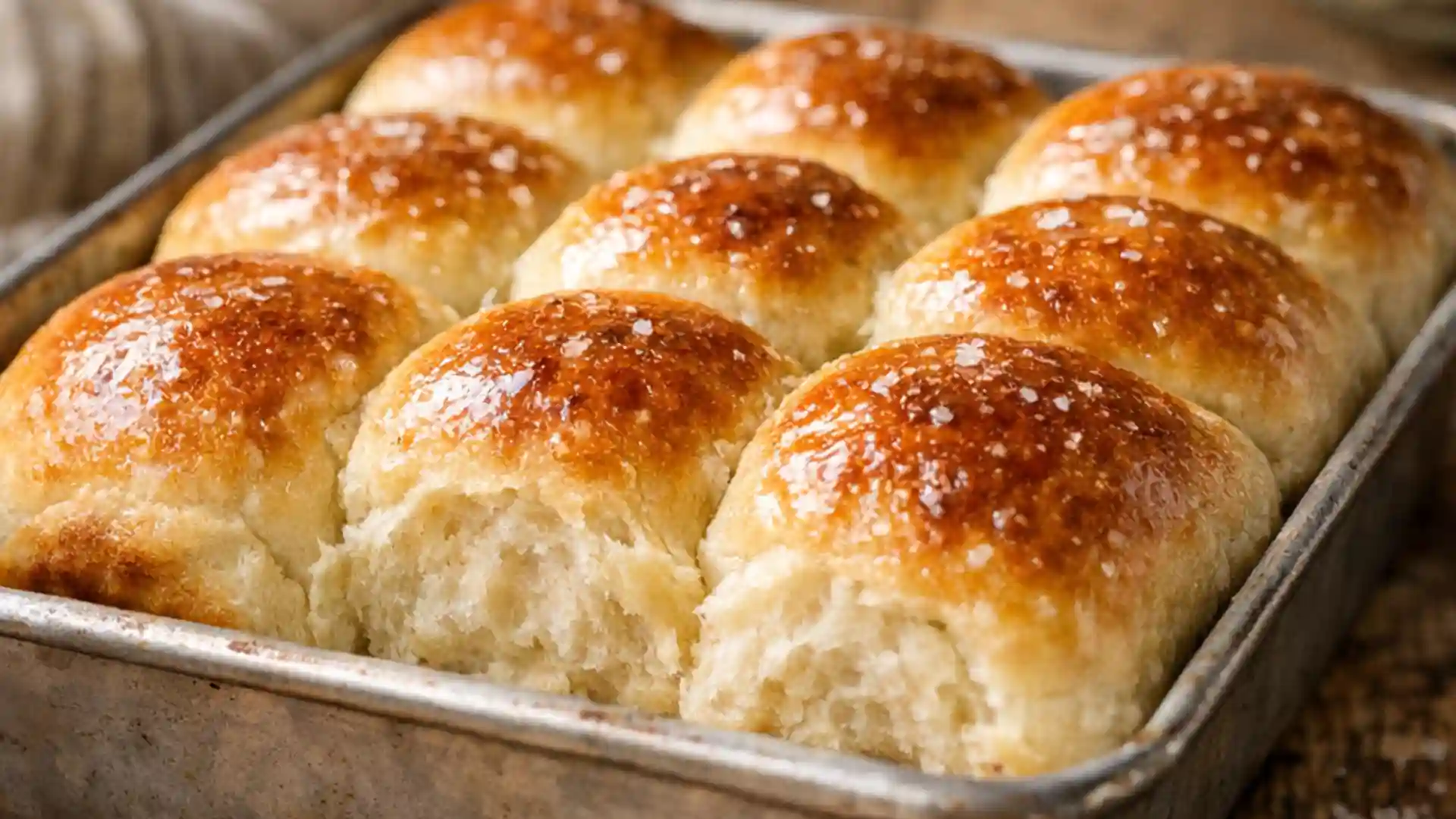
Introduction to sourdough dinner rolls
Sourdough dinner rolls combine the deep old world flavor of traditional sourdough bread with the soft comfort of classic Western style dinner rolls. Instead of one large rustic loaf you shape the dough into small rounds that bake close together and pull apart at the table. Each roll has a thin golden crust and a tender cloud like interior with gentle sourdough tang. This style of roll is especially popular in the United States and across Europe where long fermented doughs are loved for their taste and texture.
The story of sourdough dinner rolls begins with simple ingredients. Flour water and wild yeast form a living sourdough starter that bakers care for over time. In many American and European homes a jar of starter waits in the refrigerator ready to become bread. When holidays and family gatherings arrive that starter often turns into trays of warm sourdough dinner rolls that fill the kitchen with a rich buttery aroma. The rolls appear next to roasted meats steaming soups and bright salads and people tear them apart to swipe up every last bit of sauce or gravy.
Home cooks prefer sourdough dinner rolls for several reasons. The slow rise builds layers of flavor without needing many extras. The rolls stay soft longer than fast yeast rolls which means leftovers taste good the next day. The recipe also makes good use of an active starter and gives bakers another way to enjoy the work that goes into feeding and maintaining it. Beyond practicality there is something special about setting a pan of homemade rolls on the table and watching everyone reach for them at once.
Many people connect sourdough dinner rolls with seasonal meals such as autumn feasts and winter celebrations. For others they are a simple pleasure that turns an ordinary weeknight dinner into something warm and memorable. This sourdough dinner rolls guide is written in a clear American English style so it fits naturally into any food blog and helps readers at every level succeed with this comforting recipe.
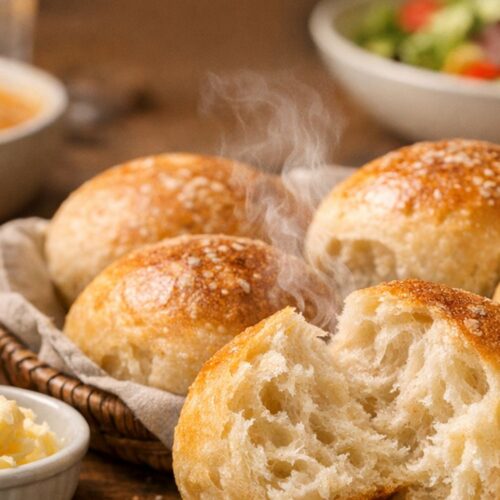
sourdough dinner rolls easy and delicious step by step
Equipment
- Large mixing bowl
- Medium bowl
- Measuring cups
- Measuring spoons
- Wooden spoon or dough whisk
- Bench scraper or sharp knife
- Kitchen scale if available
- Clean work surface or pastry board
- Metal baking pan about nine by thirteen inches or similar size
- Clean kitchen towel or reusable cover
- Pastry brush
- Cooling rack or heat safe surface
Ingredients
- For the dough
- One hundred grams active sourdough starter, about one half cup
- Two hundred fifty grams warm milk or warm water, about one cup
- Fifty grams unsalted butter softened, about three and one half tablespoons
- Thirty grams granulated sugar, about two and one half tablespoons
- Eight grams fine salt, about one and one half teaspoons
- Four hundred grams bread flour, about three and one quarter cups lightly spooned and leveled
- For finishing
- One to two tablespoons melted butter for brushing the baked rolls
- Small pinch flaky salt or chopped fresh herbs, optional
Instructions
- Feed your sourdough starter several hours before you begin so it is bubbly and active. When it has risen and looks airy with a pleasant tangy smell, it is ready to use for sourdough dinner rolls.
- In a large mixing bowl add the warm milk. Stir in the active sourdough starter until it blends into the liquid and looks milky and slightly foamy. Add the sugar and salt and stir until they start to dissolve.
- Add the softened butter to the bowl in small pieces. Add most of the bread flour, keeping a small amount aside. Stir with a wooden spoon or dough whisk until a rough shaggy dough forms and no liquid remains at the bottom of the bowl. The dough should feel soft and a little sticky.
- Turn the dough out onto a lightly floured surface. Knead gently for about eight to ten minutes. Use a push and fold motion until the dough becomes smooth and elastic. Add only small sprinkles of flour if it sticks badly. The dough should end up soft and slightly tacky rather than dry.
- Shape the dough into a smooth ball and place it in a lightly oiled bowl. Turn the dough once so the surface has a thin coat of oil. Cover the bowl with a kitchen towel or reusable cover. Let the dough rise at room temperature until it has grown by about half to three quarters in size. In a warm kitchen this may take three to five hours.
- For deeper flavor and easier timing you can place the bowl in the refrigerator for eight to twelve hours after the dough has started to rise. When you are ready to shape the sourdough dinner rolls, remove the bowl and let the dough sit at room temperature for about thirty minutes so it softens slightly.
- Grease a metal baking pan with a thin layer of butter or oil. Turn the risen dough onto a lightly floured surface and gently press it into a rectangle to release any very large air pockets. Use a bench scraper or sharp knife to cut the dough into twelve equal pieces.
- To shape each roll, take one piece of dough and pull the edges toward the center to form a rough ball. Flip it seam side down. Cup your hand over the dough and move it in small circles on the surface to tighten the top so it becomes smooth and round. Place the shaped ball in the prepared pan. Repeat with the remaining pieces, arranging them in neat rows with a little space between each one.
- Cover the pan loosely and let the sourdough dinner rolls rise at warm room temperature until they look puffy and almost touch each other. This may take about two to three hours. When ready, the rolls should jiggle slightly if you nudge the pan and a gentle press on one roll should leave a small mark that slowly springs back.
- Near the end of the final rise, heat the oven to three hundred seventy five degrees Fahrenheit. When the oven is hot, lightly brush the tops of the rolls with a small amount of milk or melted butter if you like a softer and more golden crust. Place the pan on the middle rack.
- Bake the sourdough dinner rolls for about twenty to twenty five minutes. The tops should be a warm golden color and the rolls should feel light. If the tops brown very quickly while the centers are still pale, lower the oven temperature a little or cover the pan loosely with foil for the last few minutes.
- Remove the pan from the oven and set it on a cooling rack or heat safe surface. While the rolls are still warm, brush the tops with melted butter for a soft shiny finish. Sprinkle a small pinch of flaky salt or chopped herbs if you like. Let the rolls cool for about ten minutes, then serve warm as pull apart sourdough dinner rolls.
Notes
Ingredients for sourdough dinner rolls with healthy variations
A reliable sourdough dinner rolls recipe starts with a straightforward ingredient list. The following amounts create about twelve medium rolls which is a good size for a family dinner or small gathering.
Main ingredients for classic sourdough dinner rolls
- Active sourdough starter at roughly equal parts flour and water
One hundred grams, about one half cup gently spooned - Warm milk or warm water
Two hundred fifty grams, about one cup
Warm means slightly warmer than room temperature but not hot to the touch - Unsalted butter, softened
Fifty grams, about three and one half tablespoons - Granulated sugar
Thirty grams, about two and one half tablespoons - Fine sea salt or table salt
Eight grams, about one and one half teaspoons - Bread flour or strong white flour
Four hundred grams, about three and one quarter cups lightly spooned and leveled
These ingredients create an enriched dough that is soft and easy to shape. Bread flour has higher protein which helps build gluten and gives the rolls a pleasant chew. All purpose flour can also work but may produce a slightly less chewy texture.
Plant based substitutions and gluten friendly ideas
Many readers look for ways to adapt sourdough dinner rolls to different lifestyles. Here are simple options.
Milk choice
• Use dairy whole milk for the softest richest rolls.
• For plant based rolls choose soy milk oat milk or almond milk. Select unsweetened varieties so you control sweetness.
Fat choice
• Replace butter with light olive oil avocado oil or a good quality plant based butter.
• To keep a buttery flavor with less saturated fat brush plant based butter on top after baking instead of mixing a large amount into the dough.
Flour choice for partial whole grain
• Replace up to one third of the bread flour with whole wheat flour or finely ground spelt flour.
• Add an extra spoon or two of warm liquid if the dough feels stiff because whole grain absorbs more moisture.
Gluten free direction
True gluten free sourdough dinner rolls need a gluten free starter and a special flour blend designed for bread. The hydration and method change a lot so follow a tested gluten free sourdough roll formula on your site and season it similarly. You can still use the flavor tips and serving ideas from this article.
Choosing quality ingredients for better sourdough dinner rolls
The quality of each ingredient has a clear effect on sourdough dinner rolls. Choose a starter that is active and pleasantly fragrant with a mild tangy aroma, never sharp or unpleasant. Feed it on a regular schedule for a day or two before baking so it is strong. Use fresh flour from a brand you trust and store it in a cool dry place to protect flavor.
Check the date and storage of your salt, sugar and butter so they stay fresh. When using milk, make sure it has not been open for too long and warm it gently so it never feels hot, since very hot liquid can harm the wild yeast in your starter. With thoughtful choices at this stage, the dough will be easier to work with and the finished sourdough dinner rolls will taste cleaner and more complex.
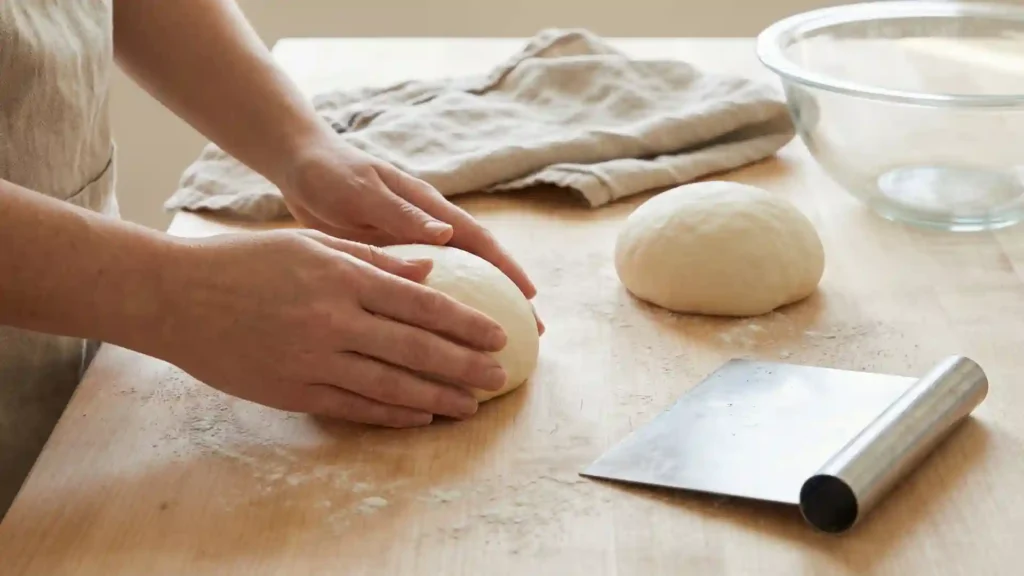
Method for sourdough dinner rolls step by step
Time and temperature affect sourdough more than almost any other factor. This method explains exactly how to mix, knead, rise, shape and bake sourdough dinner rolls so readers can follow along with confidence.
Preparing the starter and equipment
Begin with an active starter. Feed your starter with fresh flour and water several hours before mixing the dough. When it looks bubbly, slightly domed and smells gently tangy, it is ready.
Gather your tools.
• Large mixing bowl, glass or stainless steel
• Kitchen scale or measuring cups and spoons
• Sturdy wooden spoon or dough whisk
• Clean work surface or large board for kneading
• Bench scraper or sharp knife to divide the dough
• Baking pan, such as a square or rectangular metal pan, or a round cake pan
• Clean kitchen towel or reusable cover
• Pastry brush for melted butter
Having everything ready makes the process smoother and keeps the dough from drying out while you search for tools.
Mixing the dough for sourdough dinner rolls
- Pour the warm milk into the large mixing bowl. Add the active sourdough starter and whisk or stir until the starter dissolves into the liquid. The mixture should look milky and slightly foamy.
- Add sugar and salt and stir until they are mostly dissolved.
- Add the softened butter in small pieces. It may not fully blend at this point which is fine.
- Add most of the bread flour, keeping a small amount aside in case you do not need it. Stir with the wooden spoon until a shaggy dough forms and no large pools of liquid remain.
The dough should feel soft and somewhat sticky. Avoid packing in all the flour at once, since sourdough doughs often need slightly different amounts depending on humidity and flour brand.
Kneading and first rise
Kneading builds strength in the dough so your sourdough dinner rolls rise tall instead of flattening.
- Turn the rough dough out onto a lightly floured surface.
- Using the heels of your hands, gently push the dough away from you, then fold it back over itself and rotate it a little. Repeat this rhythm for eight to ten minutes.
- Add only tiny sprinkles of flour if the dough sticks badly. Aim to keep the dough soft and slightly tacky rather than dry.
Over time the dough will become smoother and more elastic. It should form a soft ball that springs back slowly when you press a finger into it.
For a more relaxed method you can knead in the bowl using stretch and fold movements. After bringing the dough together, let it rest for ten minutes. Then wet your fingers, grab one edge of the dough, stretch it up gently and fold it over the center. Turn the bowl and repeat this motion from all sides. Rest for ten minutes and repeat this sequence two or three times. The dough will strengthen with less effort.
Bulk fermentation, the first rise
- Shape the kneaded dough into a smooth ball and place it into a lightly oiled bowl. Turn the dough once so its surface is lightly coated with oil.
- Cover the bowl and let it rest at room temperature. In a warm kitchen this may be around three to five hours. In a cooler space it can take longer.
You can mark the side of the bowl with a small piece of tape to help track the growth. The dough should increase by about half to three quarters of its starting volume, look puffier and show small bubbles near the sides. It does not need to fully double for soft sourdough dinner rolls.
Optional cold rest for deeper flavor
If you want more flexibility and stronger sourdough flavor, use a cold rest.
After the dough has risen by about half, cover the bowl tightly and place it in the refrigerator for eight to twelve hours. This slow fermentation fits well with an overnight schedule. When you are ready to shape, remove the bowl and allow the dough to warm for thirty to sixty minutes until it feels slightly cool but pliable.
Shaping sourdough dinner rolls
- Lightly grease your baking pan with a thin layer of butter or oil.
- Turn the risen dough onto a very lightly floured surface. Press it gently with your hands to release large air pockets and shape it into a rough rectangle.
- Use a bench scraper or knife to divide the dough into twelve equal pieces. You can cut the rectangle into thirds in each direction. If you want perfect accuracy, weigh the whole dough and divide by twelve to find the weight of each piece.
- To shape each roll, place one piece of dough in front of you. Pull the edges toward the center to create a tight ball, then flip it seam side down. Cup your hand over the ball and move it in small circles on the counter to build surface tension.
- Place each shaped ball into the pan with a little space between the pieces. As they rise they will expand and touch, creating beautiful pull apart sourdough dinner rolls.
Final proof and baking
Final proof
Cover the pan loosely and let the rolls rise at warm room temperature. This stage may take about two to three hours, depending on your kitchen and the strength of your starter. When ready, the rolls should look puffy and almost fill the pan. If you nudge the pan gently, the dough jiggles slightly. A light touch on one roll should leave a small dent that slowly springs back.
Baking
- Near the end of the final rise, heat your oven to three hundred seventy five degrees Fahrenheit. Give it enough time to reach a steady temperature.
- If you like, brush the tops of the proofed rolls with a little milk or melted butter. This helps them brown evenly and stay soft.
- Place the pan on the middle rack and bake for about twenty to twenty five minutes. The sourdough dinner rolls should turn a warm golden color. The internal temperature of a fully baked roll is around one hundred ninety degrees Fahrenheit.
- If the tops darken too quickly while the centers are not yet done, place a loose piece of foil over the pan to shield them for the remaining minutes.
Cooling and finishing
Remove the pan from the oven and let the rolls cool for about ten minutes. While they are still warm, brush the tops with melted butter for a soft shiny finish. You can also add a tiny sprinkle of flaky salt or chopped herbs at this stage. Serve warm for the best flavor and texture.
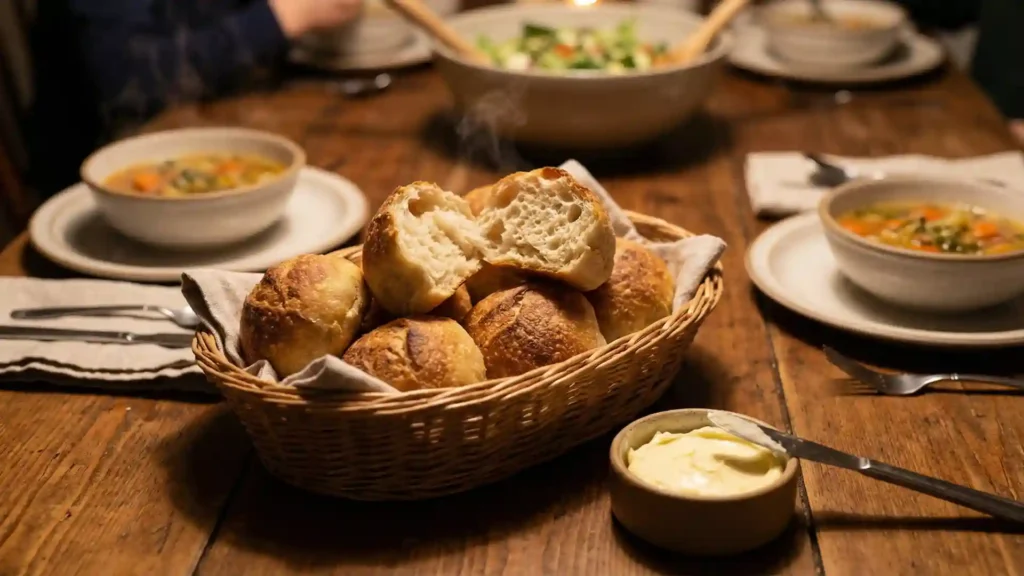
Tips and variations for sourdough dinner rolls
Once you master the base sourdough dinner rolls recipe you can start playing with flavor and presentation so it fits different meals and lifestyles.
Flavor variations
Garlic herb sourdough dinner rolls
Stir very finely minced garlic and chopped herbs such as rosemary, thyme or parsley into the softened butter before mixing the dough. You can also mix a little extra herb butter and brush it over the hot rolls just out of the oven. This creates a scent similar to restaurant style garlic rolls with the deeper taste of sourdough.
Cheese enhanced sourdough dinner rolls
Fold a small handful of finely grated cheese into the dough near the end of mixing for a subtle cheesy note. For a more dramatic effect, press a small cube of cheese into the center of each dough piece before shaping it into a ball, then pinch the seams firmly closed. When you tear open a hot roll, melted cheese will stretch from the center.
Lightly sweet honey butter rolls
Increase the sugar amount slightly and add a spoon of honey to the dough for a gentle sweetness. After baking, mix soft butter with additional honey and serve it as a spread. This version goes well with roasted chicken, ham or a brunch style table.
Adjusting sourdough dinner rolls for different eating styles
Higher fiber version
Replace part of the white flour with whole wheat or spelt flour, as noted earlier, and add a spoon of wheat bran or oat bran if your readers enjoy hearty texture. Make sure to hydrate the dough enough and allow full proofing so the rolls do not become heavy.
Plant based version
Use plant milk and oil or dairy free butter and skip brushing the rolls with dairy butter. You can finish them with olive oil mixed with herbs and sea salt. Serve these plant based sourdough dinner rolls alongside vegetable soups, lentil stews or grilled vegetables.
Lower sugar version
Sourdough dinner rolls do not need much sugar to taste good. If you want a lighter profile, reduce the sugar in the dough to a single spoon or remove it entirely. The starter and flour still develop complex flavor and you can focus on savory toppings such as herb butter or olive oil with herbs.
Serving ideas and presentation tips
Sourdough dinner rolls can make any table feel inviting.
• For a family style dinner, serve the rolls right in the baking pan with a small bowl of softened butter nearby.
• For a holiday table, arrange the rolls in a lined basket, cover them with a clean cloth to keep them warm and place them at the center of the table.
• For sandwiches, slice leftover rolls and fill them with roast meat, cheese, grilled vegetables or egg salad for easy lunches.
• For breakfast, toast leftover sourdough dinner rolls, then top them with jam, nut butter or scrambled eggs.
Photo and image ideas for your blog
• Overhead shot of golden sourdough dinner rolls in a pan with one roll slightly pulled away to reveal the soft crumb.
• Close view of a hand tearing open a hot roll with visible steam.
• Styled table scene with a bowl of soup, a plate and a basket of sourdough dinner rolls ready to serve.
Alt text ideas that include the key phrase
• Soft sourdough dinner rolls in a metal pan on a wooden table.
• Fluffy sourdough dinner rolls served with butter at a family dinner.
• Pull apart sourdough dinner rolls on a holiday table with roasted vegetables.
Nutrition information for sourdough dinner rolls
Estimated nutrition per roll
Nutrition values vary based on portion size and ingredient choices. The following estimates describe one roll when the batch of dough is divided into twelve sourdough dinner rolls and made with whole milk, butter and sugar as listed.
• Calories, about one hundred fifty to one hundred seventy per roll.
• Total fat, about four to five grams.
• Protein, about four to five grams.
• Carbohydrates, about twenty five to twenty seven grams.
• Dietary fiber, around one gram, more if you use some whole grain flour.
This profile makes sourdough dinner rolls a satisfying side that fits into many everyday meal plans. They provide energy from carbohydrates and some protein, especially when served alongside dishes that add more protein such as beans, meat or tofu.
Ways to make the rolls lighter or richer
To create a lighter version, reduce the sugar slightly, use a smaller amount of butter in the dough and brush the tops with a modest amount of oil instead of a thick butter layer. Including a small portion of whole grain flour increases fiber and may help the rolls feel more filling.
To create a richer treat, increase the butter slightly, mix in an egg during the dough stage and serve the rolls with flavored butters or spreads. This style works very well for holiday meals. For readers who care about micronutrients, suggest pairing sourdough dinner rolls with dishes rich in vegetables, beans and leafy greens to balance the plate.
Common problems and solutions for sourdough dinner rolls
Even careful bakers sometimes face issues with sourdough dinner rolls. Here are frequent problems and practical fixes you can share with your readers.
Dense or heavy rolls
If the rolls feel heavy instead of soft and airy, the dough may be under fermented. Next time, allow more time during bulk fermentation and final proof until the dough looks clearly puffed. Weak starter can also be the cause, so give your starter a few strong feedings before baking and use it when it is very active. Too much flour will make the dough stiff, so add flour slowly and stop when the dough is soft and slightly tacky.
Flat rolls that spread outward
When rolls spread more sideways than upward, the gluten may not be fully developed or the dough may be too soft. Make sure you knead or stretch and fold until the dough feels elastic and smooth. Choose a pan that holds the rolls fairly close together so they support each other as they rise. If the dough is extremely slack, add a small amount of extra flour in your next attempt.
Overly sour flavor
Strong sour taste often comes from very long fermentation at warm temperatures or from a starter that has not been refreshed. If your readers prefer a gentle tang, suggest shortening the total rise time, including some cold fermentation in the refrigerator, or feeding the starter more often. A slightly higher sugar amount and buttery finishes also balance acidity.
Thick hard crust
If the crust is thicker or harder than desired, the oven may be too hot or the rolls may be baking too long. Encourage the use of an oven thermometer so bakers can check the true temperature. Brushing the tops with butter or milk before baking helps soften the crust. Covering the rolls loosely with foil during the last minutes of baking can prevent them from drying out.
Rolls stick to the pan
Sticking usually happens when the pan is not greased enough or when the rolls sit too long in the hot pan after baking. Grease the pan generously but not heavily and, after a brief cooling period, loosen the edges with a knife and remove the rolls or lift them out as a whole slab onto a rack. Using quality metal pans or parchment paper linings also helps.
Frequently asked questions about sourdough dinner rolls
Can I add commercial yeast to this sourdough dinner rolls recipe.
Yes, some bakers like to add a small pinch of instant yeast to speed up the rise. This is useful when the starter is not at full strength or when the schedule is tight. The rolls will rise faster and may have a slightly milder sourdough character.
Can I make sourdough dinner rolls without dairy ingredients.
You can prepare plant based sourdough dinner rolls by using soy milk, oat milk or almond milk and replacing butter with oil or dairy free butter. The rolls will still be soft and flavorful. The crumb may be a little different but the overall experience remains very satisfying.
Can I prepare the dough ahead of time and bake later.
You can mix and knead the dough, let it start to rise and then refrigerate it overnight. The next day allow it to warm slightly, shape the rolls, give them time to proof and then bake. You can also refrigerate the shaped rolls overnight, let them finish rising at room temperature and bake just before serving. This method fits well with holiday planning.
What is the best way to store leftover sourdough dinner rolls.
Once the rolls are fully cool, store them in an airtight container or a sealed bag at room temperature for up to two days. For longer storage, place them in the freezer. When ready to serve, reheat in a warm oven until soft and fragrant again.
How do I reheat sourdough dinner rolls so they taste fresh.
Place the rolls on a baking sheet and warm them in a low oven until the crust feels slightly crisp again and the centers are warm. This method restores much of the original texture. A short time in a microwave will heat them faster but may soften the crust more than some people like.
Can I use this dough for other shapes.
The same dough can be shaped into small sandwich buns, longer sub style rolls or even a small loaf. Adjust the baking time so the center reaches a safe temperature while the crust does not burn. You can also twist strands of the dough into knots or braid them for special presentations.
Conclusion and invitation to bake sourdough dinner rolls
Sourdough dinner rolls bring together the beauty of natural fermentation, the comfort of soft enriched bread and the joy of sharing warm rolls at the table. With the clear steps and detailed tips in this guide, you can give your readers the confidence to mix, shape and bake their own tray of golden rolls at home. The result is a pan of pull apart sourdough dinner rolls that look impressive yet feel simple and honest, perfect for both weeknight suppers and festive meals. 1 1Soft Sourdough Rolls Recipe
Encourage your audience to try the recipe soon, perhaps planning it for a weekend dinner or their next holiday gathering. Invite them to share their experience in the comments, including how long their dough took to rise in their kitchen, which variations they tried and what dishes they served alongside the rolls. Ask readers to rate the recipe so future visitors can see real feedback.
For strong internal linking and better search performance, connect this sourdough dinner rolls article to related posts on your site, such as a sourdough starter guide, sourdough pancakes, hearty soups or roasted vegetable trays. Add bright original photos with descriptive alt text that includes the key phrase sourdough dinner rolls to help search engines understand the focus of the page. With these steps, your article can become a reliable reference for anyone who wants soft flavorful sourdough dinner rolls in their own kitchen.
sourdough pancakes recipe easy and delicious step by step