
Introduction To Sourdough Rolls
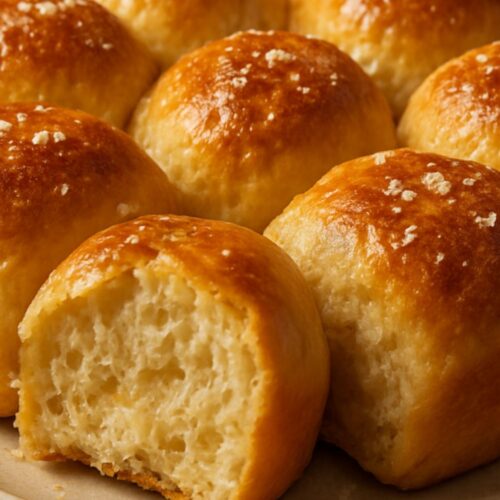
This sourdough rolls recipe is my go to way to get warm bakery style bread on the table without complicated tools. These rolls bake up soft and fluffy inside with a lightly crisp golden top, plus that gentle sourdough tang that makes them taste special. They are popular in American home cooking because they fit almost any meal, from cozy soups to holiday roasts, and they also show up across Europe in artisan bakeries where slow fermentation is part of everyday bread culture.
The idea behind sourdough is simple. Wild yeast and friendly bacteria live in a fermented mixture of flour and water called a sourdough starter. This natural culture makes dough rise, adds complex flavor, and can make bread easier to digest compared to many quick commercial yeast loaves. When you use this living starter in a rich dough for rolls, you get a bread that feels homemade and comforting, yet still impressive enough for a dinner party. Sourdough rolls fit right in at a Thanksgiving table, a summer barbecue, or a cozy winter stew night.
Many home bakers fall in love with sourdough through a story. Maybe a neighbor shared a starter that has been passed down for years. Maybe a first loaf helped supply fresh bread when store shelves were empty. You might even start this sourdough rolls recipe for a special occasion like a birthday meal or a festive holiday brunch, then find that it becomes a regular weekly bake. This recipe is designed to be approachable even if you are new to sourdough. With clear steps, friendly timing, and flexible options, you can enjoy bakery style sourdough rolls at home and build your own family tradition around them.
Sourdough Rolls Easy And Delicious Recipe Step By Step
Equipment
- Large mixing bowl
- Medium bowl or jar for sourdough starter
- Measuring cups and measuring spoons
- Wooden spoon or silicone spatula
- Kitchen scale optional
- Bench scraper or sharp knife
- Rectangular metal baking pan about nine by thirteen inches
- Clean kitchen towel
- Wire cooling rack
- Pastry brush for melted butter
Ingredients
- Main dough ingredients
- 1 cup active sourdough starter
- 1.25 cups warm whole milk
- 3 tablespoons granulated sugar
- 4 tablespoons unsalted butter soft
- 1 large egg room temperature
- 1.5 teaspoons fine sea salt
- 4 cups all purpose flour plus a little extra for dusting the work surface
- 1 teaspoon neutral oil or soft butter to grease bowl and pan
- Optional topping
- 1 tablespoon melted butter for brushing baked rolls
- 1 pinch flaky salt optional
- Notes for vegan version
- Use unsweetened plant milk in place of whole milk
- Use a plant based butter or neutral oil instead of butter
- Replace the egg with 3 tablespoons plant milk mixed with 1 tablespoon oil
Instructions
- Activate the sourdough starterFeed your sourdough starter 4 to 8 hours before mixing the dough so it is bubbly and has doubled in size. Use it when it smells mildly tangy and shows many bubbles on the surface and along the sides of the jar.
- Mix the wet ingredients In a large mixing bowl add the warm whole milk, granulated sugar, soft unsalted butter, egg, and active sourdough starter. Stir with a wooden spoon or spatula until the mixture looks mostly smooth and the butter is well blended.
- Add dry ingredients and form the doughSprinkle the fine sea salt over the mixture. Add about 2 cups of the all purpose flour and stir until no dry flour remains. Gradually add more flour, a small amount at a time, until the dough forms a soft shaggy ball that pulls away from the sides of the bowl. The dough should feel soft and slightly sticky rather than stiff.
- Knead the doughLightly flour your work surface. Turn the dough out onto the surface. Knead by pushing the dough away with the heels of your hands, folding it back over itself, and turning it a little each time. Continue for about 8 to 10 minutes. Add only light dustings of flour as needed to prevent sticking. The dough is ready when it feels smooth, elastic, and still slightly tacky.
- Let the dough riseGrease a clean bowl with a thin layer of neutral oil or soft butter. Place the dough in the bowl and turn it once so the top is lightly coated. Cover the bowl with a clean kitchen towel. Let the dough rise at warm room temperature until it has doubled in size. This usually takes 3 to 6 hours depending on the strength of your starter and the warmth of your kitchen. The dough is ready when a gentle press with a fingertip leaves a slow filling dent.
- Divide and shape the rollsLightly flour your work surface again and gently turn the risen dough out of the bowl. Avoid pressing out all the air. Pat the dough into a rough rectangle. With a bench scraper or sharp knife, cut the dough into 12 fairly even pieces. Take one piece at a time and pull the edges under to form a tight ball. Pinch the seam on the bottom so it holds. Place each ball seam side down in a greased rectangular baking pan, spacing them evenly.
- Second rise or overnight chill Cover the pan with a clean towel and let the rolls rise at warm room temperature until they look puffy and nearly doubled. This can take 2 to 4 hours. The rolls are ready to bake when they look round and light and a gentle tap leaves a soft impression that slowly fades.For an overnight option, cover the pan and place it in the refrigerator once the rolls have risen partway. Chill for 8 to 12 hours. When ready to bake, let the chilled rolls sit at room temperature for about 45 minutes to finish puffing before they go into the oven.
- Bake the sourdough rollsHeat the oven to 375 degrees F. Place the pan of rolls on the center rack. Bake for 20 to 25 minutes until the rolls are a deep golden color and sound hollow when tapped. If your oven browns unevenly, rotate the pan halfway through baking.
- Finish and coolRemove the pan from the oven. While the rolls are still hot, brush the tops with melted butter. Sprinkle with a small pinch of flaky salt if you enjoy a lightly salty crust. Transfer the rolls to a wire cooling rack or a folded towel so the bottoms do not become soggy. Let them cool for at least 15 minutes before serving so the crumb can set while they stay warm and fragrant.
- ServeServe the sourdough rolls warm with butter, olive oil, or your favorite spread. They pair well with soups, salads, roasted vegetables, and holiday main dishes. Leftover rolls make excellent small sandwiches and breakfast toast.
Notes
Ingredients For Sourdough Rolls With Healthy And Flexible Options
For about twelve medium sourdough rolls you will need the following ingredients. Bring everything to room temperature before you start, especially if your kitchen is cool.
Main Ingredients For Classic Sourdough Rolls
- Active sourdough starter, one cup, recently fed and bubbly
- Warm whole milk, one and one quarter cups, comfortably warm to the touch, not hot
- Granulated sugar, three tablespoons
- Unsalted butter, four tablespoons, soft
- One large egg
- Fine sea salt, one and one half teaspoons
- All purpose flour, about four cups, plus a little extra for dusting the work surface
- Neutral oil or a little extra butter to grease the bowl and baking pan
Optional Ingredients For Extra Flavor
- One additional tablespoon of melted butter to brush on the baked rolls
- Flaky salt for finishing, a small pinch on top of each roll if you enjoy a salty crust
- One quarter cup of grated hard cheese for a cheesy version
- One tablespoon of chopped fresh herbs such as rosemary, chives, or thyme
Vegan Friendly Substitutions
If you prefer plant based sourdough rolls, you can keep the same basic structure of the recipe with a few easy changes.
- Replace the whole milk with an unsweetened plant milk such as soy milk or oat milk
- Replace the butter with a neutral flavored vegetable oil or a soft vegan butter substitute
- Replace the egg with three tablespoons of unsweetened plant milk plus one tablespoon of oil, mixed well before adding to the dough
These swaps keep the dough rich and tender while making the recipe friendly for people who do not eat dairy or eggs.
Gluten Free Possibility
Creating gluten free sourdough rolls needs a little care, since the structure of wheat gluten is what usually gives rolls their bounce. For a gluten free version, you can
- Use a gluten free sourdough starter that is fed with rice flour or another gluten free flour
- Choose a gluten free all purpose flour blend that is labeled as suitable for yeast breads
- Add one teaspoon of xanthan gum if your blend does not already contain it, to help mimic the elasticity of gluten
The texture of gluten free sourdough rolls will be slightly different from classic wheat rolls, but still satisfying and flavorful.
Tips For Choosing High Quality Ingredients
The flavor of sourdough rolls depends strongly on the quality of your starter and flour. Use a lively starter that has doubled in size after feeding and shows many air bubbles. For flour, a good unbleached all purpose or bread flour from a trusted brand will give more depth of flavor and better structure. If possible, use fresh flour that has not sat open on a shelf for months, since stale flour can dull the taste.
Choose butter with a clean creamy aroma, and use whole milk rather than very low fat milk so the rolls stay rich and moist. For sugar and salt, simple pantry brands are usually fine, but use fine salt so it dissolves smoothly in the dough. When your ingredients taste good on their own, your sourdough rolls will reward you with a more complex and satisfying flavor.
Step By Step Method For Making Sourdough Rolls
This method uses an overnight rise to develop flavor and make your baking schedule flexible. The total time is spread over several gentle stages so the work never feels heavy.
Step One Refresh The Sourdough Starter
Several hours before you plan to mix the dough, feed your sourdough starter so it becomes active and bubbly. Many bakers like to do this in the morning for mixing in the afternoon, or in the evening for mixing later at night. Use equal parts of flour and water by weight when feeding the starter, and allow it to sit at warm room temperature until it has at least doubled in size and smells pleasantly tangy. A strong starter is the heart of good sourdough rolls.
Step Two Mix The Dough
In a large mixing bowl, combine the warm milk, sugar, soft butter, egg, and active sourdough starter. Stir with a sturdy spoon until the mixture is mostly smooth. Add the salt and two cups of the flour, then mix until no dry pockets remain. Continue adding flour, half a cup at a time, until a shaggy dough forms that is soft, slightly sticky, and pulls away from the sides of the bowl. You may not need all the flour, or you may need a little more, depending on your flour and humidity.
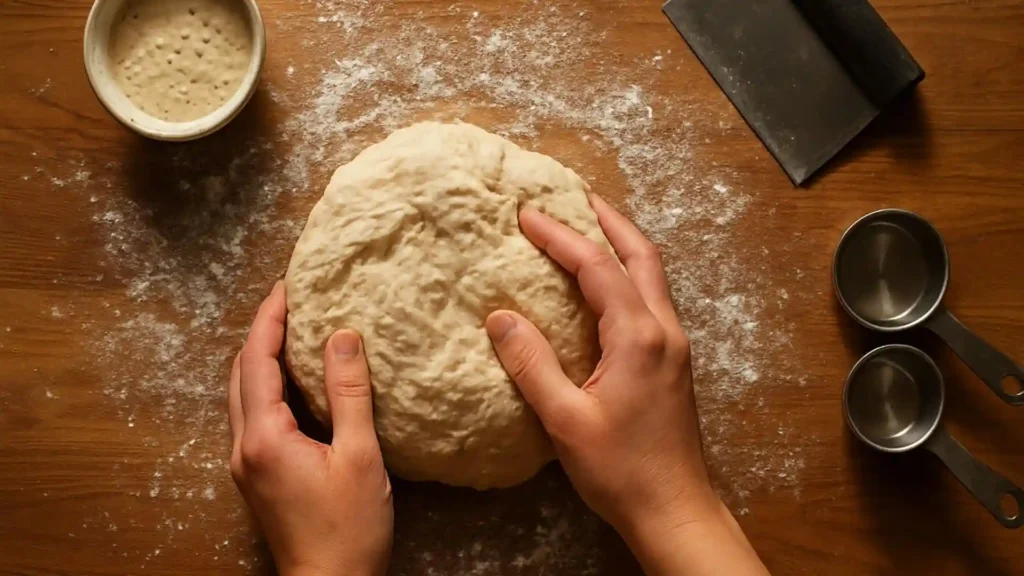
Turn the dough onto a lightly floured surface and knead gently. Use the heels of your hands to push the dough away, then fold it back over itself and rotate. Continue for about eight to ten minutes, adding just a dusting of flour if the dough sticks badly. The goal is a smooth, elastic dough that still feels soft and slightly tacky, not stiff.
Step Three First Rise Or Bulk Fermentation
Grease a clean bowl with a little oil or soft butter, and place the dough inside. Turn it once so the top is lightly coated and stays moist. Cover the bowl with a clean kitchen towel. Leave the dough to rise at warm room temperature until it has roughly doubled in size. For many home kitchens, this may take three to six hours depending on how active your starter is and how warm your room feels.
If your kitchen is cool, you can place the covered bowl in a turned off oven with the light on, or near a warm but not hot spot. The dough is ready when a gentle finger press slowly springs back, leaving a soft dent. This slow first rise allows the sourdough flavor to deepen and the gluten structure to strengthen, which gives your rolls a better texture later.
Step Four Shape The Sourdough Rolls
Once the dough has doubled, lightly flour your work surface and gently turn out the dough. Avoid punching it down aggressively, since you want to keep many of the air bubbles that have formed. Pat the dough into a rough rectangle. Use a bench scraper or a sharp knife to divide it into twelve equal pieces. Try to keep each piece around the same size so the rolls bake evenly.
To shape each roll, cup your hand over a piece of dough and move your hand in small circles on the counter, tucking the dough underneath itself so the top becomes smooth and tight. You can also pull the edges of the dough toward the center on the underside, pinching gently so they hold together, then place the roll seam side down. Arrange the finished balls of dough in a greased baking pan, leaving a little space between them so they can expand during the final rise.
Step Five Second Rise Or Proof
Cover the pan of shaped rolls with a clean towel. Allow them to rise at warm room temperature until puffy and nearly doubled again. This can take two to four hours depending on temperature and dough strength. The rolls are ready to bake when they look round and full, and a light finger touch leaves a gentle impression that slowly springs back.
If your schedule demands it, you can place the covered pan in the refrigerator once the rolls are partly risen. A slow chill for eight to twelve hours lets you bake them fresh in the morning or just before a dinner party. When you are ready to bake, let the chilled rolls rest at room temperature for about forty five minutes before they go into the oven so they lose the chill and finish proofing.
Step Six Bake The Sourdough Rolls
Heat your oven to three hundred seventy five degrees Fahrenheit. Place the pan of rolls on the middle rack so they bake evenly. Bake for about twenty to twenty five minutes until the rolls are a deep golden color on top and sound hollow when gently tapped. If you like, you can rotate the pan halfway through baking so the rolls brown evenly.
As soon as the rolls come out of the oven, brush their tops with melted butter for a soft, shiny finish. Sprinkle with a tiny pinch of flaky salt if you enjoy a slightly salty crust. Then transfer the rolls to a cooling rack or a clean folded towel so air can circulate and the bottoms do not become soggy. Let them cool at least fifteen minutes before serving, so the interior crumb can set while they stay warm and fragrant.
Step Seven Serve And Enjoy
Serve your sourdough rolls warm with extra butter, olive oil, or your favorite spread. They pair beautifully with soups, salads, roasted vegetables, and hearty holiday mains. Leftover rolls make wonderful sandwich buns or breakfast toast. For an internal link on your food site, you might suggest that readers enjoy these sourdough rolls alongside your favorite creamy soup recipe or your best roasted chicken recipe.

Tips And Variations For Sourdough Rolls
Flavor Variations
- Garlic herb sourdough rolls
Add one tablespoon of finely minced garlic and one tablespoon of chopped fresh herbs directly to the dough during mixing. Rosemary, thyme, parsley, or chives all work well. This version is perfect beside pasta dishes or roasted vegetables. - Cheese topped sourdough rolls
After shaping the rolls and placing them in the pan, brush lightly with milk or a little melted butter. Sprinkle grated hard cheese over the tops before the final rise. The cheese melts into a savory crust as the rolls bake. - Sweet breakfast sourdough rolls
Increase the sugar to five tablespoons and mix in a small handful of raisins or dried cranberries during the final minute of kneading. After baking, drizzle with a light vanilla glaze made with powdered sugar and a spoonful of milk, or simply brush with honey while still warm.
Adapting To Different Eating Styles
- Higher fiber sourdough rolls
Replace up to one third of the all purpose flour with whole wheat flour. The rolls will turn slightly denser and more earthy, with extra fiber and nutrients. Make sure to add an extra tablespoon or two of warm milk if the dough feels too stiff, since whole wheat flour absorbs more liquid. - Dairy free sourdough rolls
Use plant milk instead of dairy milk and a neutral vegetable oil or plant based butter instead of regular butter. Brush the baked rolls with olive oil rather than butter for a soft, glossy finish. - Lower sugar version
If you prefer your sourdough rolls less sweet, you can reduce the sugar to one or two tablespoons. The fermentation and milk will still give the rolls a gentle natural sweetness without tasting sugary.
Serving Ideas For A Beautiful Table
Sourdough rolls are more than a side dish, they also make your table feel inviting. For a cozy family dinner, arrange the rolls in a basket lined with a warm cloth napkin, and bring them to the table whole so everyone can tear into them. For a party buffet, slice the rolls in half and fill them with small burger patties, pulled chicken, or roasted vegetables for mini sandwiches.
On your food blog, you can add internal links to complementary recipes. For example, suggest serving sourdough rolls with a rich beef stew, a smooth pumpkin soup, or a bright summer salad. You can also encourage readers to use leftover rolls in recipes such as bread pudding, breakfast sandwiches, or homemade croutons. Add original photos that show the dough at different stages, the shaped rolls ready for proofing, and the final golden pan coming out of the oven. These visuals help readers feel confident and increase engagement for your recipe.
Nutritional Information Per Serving
These values are approximate for one medium sourdough roll made with dairy milk and butter. Exact numbers will vary based on ingredient brands and roll size.
Nutrient Amount per roll
Calories about one hundred eighty
Total fat about six grams
Protein about five grams
Carbohydrate about twenty seven grams
Fiber about one to two grams
Sourdough rolls provide a balance of carbohydrates for energy, a modest amount of protein from flour and milk, and a little fat for richness and satiety. You can increase fiber by using some whole wheat flour, or adjust the fat content by choosing lighter spreads when serving.
Common Problems And How To Fix Them
Rolls Do Not Rise Well
If your sourdough rolls turn out dense and flat, the most common reason is a weak starter. Make sure your starter is fed regularly and has doubled in volume before you mix the dough. You can do two or three feedings in a row over a day to strengthen it. Also check the temperature in your kitchen. Cold dough rises slowly. Give the dough more time in a warm cozy spot until it visibly puffs and softens.
Adding too much flour can also weigh down the dough. When you knead, aim for a soft and slightly sticky texture rather than a very firm ball. If you suspect you added too much flour, sprinkle in a tablespoon of warm milk and knead gently to soften the dough a bit.
Rolls Spread Out Instead Of Holding Their Shape
When rolls spread sideways instead of rising upward, it often means the dough was too wet or the gluten structure was not developed enough during kneading. Next time, knead for a little longer until the dough feels elastic and springs back when gently pressed. You can also shape the rolls with tighter surface tension by pulling the dough edges underneath more firmly. Placing rolls close together in the pan so they support each other during the rise can help them lift upward.
Rolls Taste Too Sour
While many people love the tang of sourdough, an overly sharp flavor can overpower a tender dinner roll. To soften the sourness, try shortening the fermentation time or keeping the dough slightly cooler. Use a younger starter that has been fed regularly and not left in the refrigerator for long stretches. Adding a little extra sugar or a small splash of milk in the dough can also balance the acidity with gentle sweetness.
Rolls Brown Too Quickly Or Remain Pale
If the tops of your sourdough rolls brown very fast while the centers remain under baked, your oven may run hot. Place the pan on a lower rack and check with an oven thermometer if you have one. Covering the rolls loosely with a piece of baking paper during the last minutes can protect them from over browning while the centers finish baking.
If your rolls come out too pale, make sure you brushed the tops lightly with milk, oil, or butter before baking, since that encourages browning. Extending the baking time by a few minutes, while watching closely, can also deepen the color and flavor of the crust.
Frequently Asked Questions About Sourdough Rolls
Replacing Ingredients In Sourdough Rolls
Many readers want to adjust recipes to match what they have on hand. You can replace whole milk with two percent milk or plant milk without changing the rest of the formula. You can swap part of the all purpose flour for bread flour, which will give a chewier texture and slightly higher rise. Using whole wheat flour for up to one third of the total flour adds nutty flavor and more fiber.
If you do not have butter, neutral oil such as sunflower or light olive oil will still produce tender sourdough rolls. Keep the total fat amount similar to maintain the same texture.
Preparing Sourdough Rolls In Advance
One of the best parts of sourdough baking is how flexible the timing can be. After shaping the rolls and placing them in the pan, you can cover and refrigerate them for up to twelve hours. This slow proofing time allows the flavor to deepen and lets you bake fresh rolls right before you plan to serve them.
For even more convenience, you can parbake the rolls. Bake them until they are just set and lightly colored, cool completely, then wrap and freeze. On the day you want to serve them, thaw at room temperature and finish baking until deeply golden and warmed through. This method is helpful for large gatherings and holidays.
Best Ways To Store And Reheat Sourdough Rolls
Once your sourdough rolls are completely cool, store them in an airtight container or bread box at room temperature for up to three days. Avoid refrigerating plain bread, since it can make the crumb dry more quickly. For longer storage, place rolls in a freezer bag, press out extra air, and freeze for up to two months.
To reheat, warm the rolls in a moderate oven until the crust is crisp and the centers are heated through. You can also slice and toast leftover rolls for breakfast. For your blog readers, you can suggest using day old sourdough rolls as the base for garlic bread, croutons, or bread crumbs for casseroles and meatballs.
Conclusion And Invitation To Engage
Sourdough rolls bring a touch of bakery style comfort to any meal, while still being simple enough for a home kitchen. With a lively starter, a few pantry staples, and some patient rises, you can create soft, fragrant rolls that impress family and guests. The long fermentation gives them complex flavor and a tender crumb that works equally well beside soup, salad, or a special holiday roast.
Whether you follow the classic version, choose a vegan or gluten free adaptation, or experiment with cheese, herbs, and sweet add ins, this sourdough rolls recipe is meant as a flexible foundation. Once you try it a couple of times, you will likely find your own favorite flour blend, proofing schedule, and flavor twists.
If you share this recipe on your food site, invite readers to leave a comment with their own tips, baking stories, and photos of their sourdough rolls. Encourage them to rate the recipe and explore related posts, such as your main sourdough bread loaf, cinnamon swirl sourdough breakfast bread, or creamy soup recipes that pair well with warm rolls. This kind of friendly interaction not only builds community but also helps your recipe perform better in search engines, bringing more home bakers to your table of sourdough ideas.
Sourdough Inclusion Ideas Sweet Savory & Healthy